



In the bustling world of e-commerce, where every click holds the promise of a purchase, there lies a common yet frustrating phenomenon: cart abandonment. As consumers add items to thier digital baskets and than wander off, retailers are left grappling with the unfinished business that haunts their sales funnels. But what if the solution was elegantly simple? Enter cart abandonment emails—those carefully crafted reminders that glide back into the shopper’s inbox, reigniting their interest and sparking the urge to complete their purchase. In this article, we delve into the art and science of crafting cart abandonment emails that not only capture attention but also convert hesitation into commitment. We’ll explore strategies, examples, and best practices that empower brands to turn potential losses into gratifying sales, ensuring that the journey from cart to checkout is a seamless and rewarding experience for all.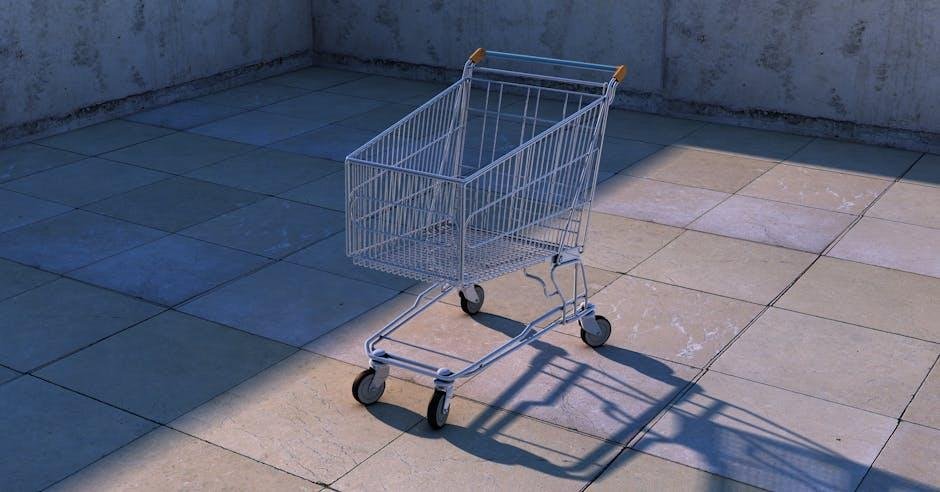
Understanding the Psychology Behind Cart Abandonment
Understanding the reasons behind cart abandonment is critical for designing effective recovery strategies. Consumers often leave items in their carts due to a variety of psychological factors, including decision fatigue, price anxiety, and the fear of making an irreversible commitment. Additionally, the exponential increase in online shopping options can overwhelm customers, leading to a state of indecision. This can be exacerbated by poor website navigation, prolonged checkout processes, and unexpected costs revealed at the last moment. To mitigate these issues, consider the following strategies:
- Simplify the Checkout Process: Reduce the number of steps needed to complete a purchase.
- Transparent pricing: Clearly display all costs upfront to avoid sticker shock.
- Provide a Sense of Urgency: Incorporate time-sensitive offers to encourage speedy decisions.
Moreover, the emotional aspect of shopping can’t be ignored.Many online shoppers experience guilt or fear of buyer’s remorse after adding items to their carts. This is where targeted, empathetic follow-ups can make a difference. When crafting cart abandonment emails, tailor the message to address these feelings. Use personalized content that resonates with the user’s previous interactions, such as:
| Emotion | Email Strategy |
|---|---|
| Guilt | Offer a discount as a ‘thank you’ for considering yoru brand. |
| Indecision | Include reviews or testimonials of the abandoned products. |
| Fear of Commitment | Provide a hassle-free return policy to ease buyer apprehension. |

Crafting Compelling Subject Lines to Grab Attention
In the world of e-commerce, the subject line is your first impression—a make-or-break possibility to entice your customer to click. To craft subject lines that pop, consider using action-oriented language that speaks directly to the shopper’s emotions. Leverage phrases that create a sense of urgency or highlight the value of completing their order, such as:
- Your Cart Awaits—Complete Your Order!
- Don’t Miss Out! Your Items Are Almost Gone!
- Exclusive Offer: 10% Off Just for You!
Additionally, personalize your subject lines to make your emails feel tailor-made for the recipient. You can include the customer’s name or mention the specific items left in their cart. This not only captures attention but can also enhance engagement rates. Here are a few examples that combine both urgency and personalization:
| Personalization | Example Subject Line |
|---|---|
| Customer’s Name | Hello [Name], Your Dream Item is Waiting! |
| Last Item Left | [Item Name] is Almost Gone—Claim Yours Now! |
Through concise and intriguing subject lines, you can bridge the gap between lost sales and completed purchases, steering customers back to their carts with clarity and appeal.

Personalization Techniques that Drive Engagement
Effective personalization is the key to transforming cart abandonment emails into powerful engagement tools. By leveraging customer data, you can create tailored messages that resonate with individual preferences, driving recipients back to their carts. Consider incorporating the following elements into your strategy:
- Dynamic Content: use customers’ names and product recommendations based on their browsing history.
- Tailored Offers: Highlight special discounts or incentives that align with the items left behind.
- Visual Elements: Embed high-quality images of abandoned products to rekindle interest.
Another effective technique is segmentation. Grouping your audience based on behavior and demographics allows you to create more focused messages.A simple representation of common segments could look like this:
| Segment | Description | Email Strategy |
|---|---|---|
| First-time Visitors | New customers who browsed but did not purchase. | Introduce brand benefits and customer testimonials. |
| Repeat Customers | Customers with previous purchases. | Offer loyalty rewards or exclusive discounts. |
| high-Value Customers | Frequent buyers who spend significantly. | Personalized recommendations based on past purchases. |
By implementing these personalization techniques, you not only foster a stronger connection with your audience but also increase the chances of converting abandoned carts into completed sales.

Strategic Timing for Maximum Conversion Rates
Timing plays a crucial role in the success of cart abandonment emails. Understanding your customer’s behavior can significantly boost your conversion rates.Aim to send your first reminder email within a few hours after the cart has been abandoned. This timeframe captures the buyer’s attention while their interest is still fresh. Consider setting up a series of follow-up emails that progressively incentivize the potential customer — this strategy can create a sense of urgency and even re-engage indecisive buyers. Some optimal timings to target include:
- 1 Hour After Abandonment: A gentle reminder that items are waiting.
- 24 Hours Later: A question or suggestion – “Need help completing your order?”
- 5 Days After: A special offer or discount to encourage purchase.
Implementing A/B testing can be beneficial to determine the best send times for your specific audience. By analyzing engagement and conversion metrics, you can refine your strategy to find the ideal sweet spot for sending these critical emails.Below is an example of potential send times and observed engagement rates for different customer segments:
| Send Time | Segment | Open Rate (%) | Conversion Rate (%) |
|---|---|---|---|
| 1 Hour | New Customers | 45% | 15% |
| 24 Hours | Returning customers | 35% | 20% |
| 5 Days | Frequent Shoppers | 30% | 25% |
Insights and Conclusions
As we reach the end of our exploration into the world of cart abandonment emails, it’s clear that these messages are not just reminders; they are opportunities. With the right blend of personalization, urgency, and compelling content, you can entice hesitant customers back to complete their purchases. remember, every abandoned cart tells a story—a story of potential and desire. By crafting emails that resonate with your audience, you transform those stories into accomplished conversions, ultimately nurturing a loyal customer base.
So, as you refine your email strategies, keep in mind the power of empathy and creativity. Each email sent is not merely a prompt but a conversation waiting to unfold. With thoughtful design and strategic timing, your cart abandonment emails can become a vital touchpoint in the customer journey. Now, take the insights gathered and make them your own, turning missed opportunities into moments of engagement. Happy emailing!