

Unlocking the Power of Retargeting: Your Guide to Setting Up a Campaign
In the ever-evolving landscape of digital marketing,capturing a potential customer’s attention is only half the battle. As any savvy marketer knows,the real magic happens when you can re-engage those visitors who have wandered off,tantalizingly close to making a decision.Enter retargeting—a powerful strategy that allows you to gently remind users of their previous interest,guiding them back to your brand with a well-timed nudge.
In this article, we unravel the intricacies of setting up an effective retargeting campaign. Whether you’re a seasoned marketer looking to refine your approach or a newcomer stepping into the world of targeted advertising, the following guide will equip you with the essential tools and insights.From understanding the foundational concepts to navigating the platforms and analytics, you’ll discover how to harness the full potential of retargeting to boost conversions and foster lasting customer relationships. Join us as we embark on this journey to master the art of bringing visitors back where they belong—back to you.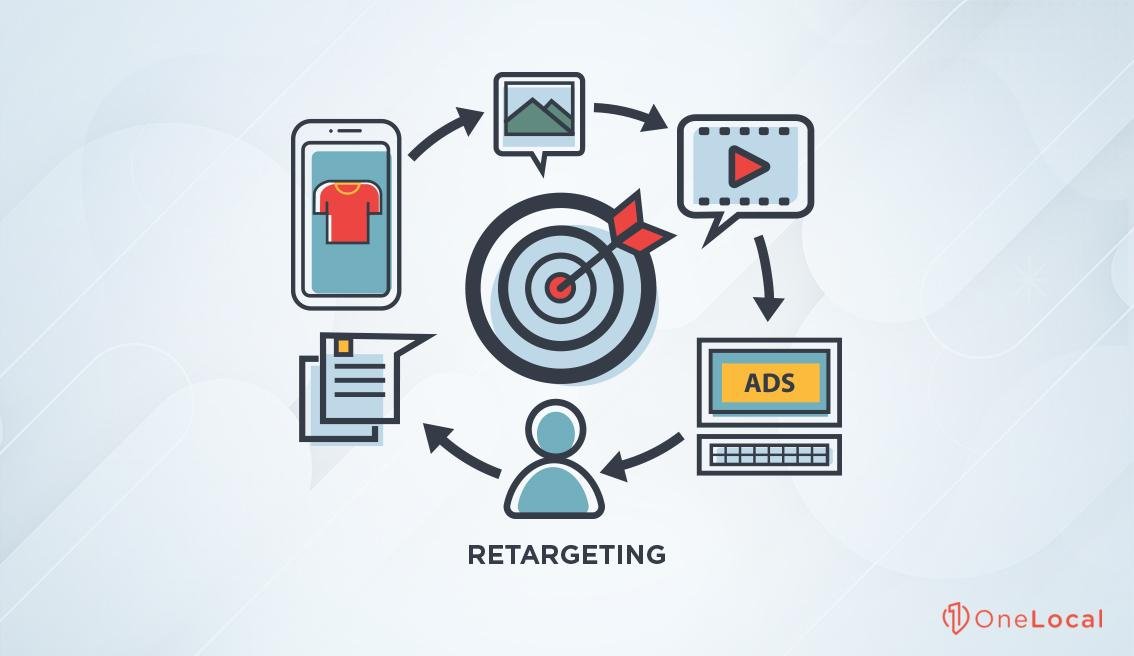
Understanding the Fundamentals of Retargeting for Effective Campaigns
Retargeting is a powerful strategy that allows businesses to reconnect with visitors who have previously interacted with their website or app. By keeping your brand top-of-mind and reminding these potential customers of their prior interests, you can significantly enhance the chances of conversion. To effectively utilize retargeting, it’s critical to understand the diffrent types of audiences you can target, including those who have abandoned shopping carts, visited specific product pages, or spent a notable amount of time on your site. Here are key audience segments to consider:
- cart Abandoners: Target users who have added items to their cart but did not complete the purchase.
- Page Visitors: Re-engage visitors who viewed certain products or services without taking further action.
- Frequent Visitors: Focus on users who return to your site frequently enough, indicating a higher interest in your offerings.
Once you’ve identified your target audience segments, the next step involves setting up your advertising platforms to create tailored messages that resonate with each group. Leverage dynamic ads that showcase products or services users have shown interest in and consider varying your ad formats to keep the content fresh. Here’s a simple comparison table of effective ad formats suitable for retargeting campaigns:
| Ad Format | Description | Best For |
|---|---|---|
| Static Ads | Single image ad that highlights your product or service. | Brand Awareness |
| Carousel Ads | Multiple images or videos users can scroll through. | Showcasing Multiple Products |
| Video Ads | Engaging content to tell a story or demonstrate a product. | Higher Engagement |
Crafting Compelling Ad Creatives that Resonate with Your Audience
Creating ad creatives that truly connect with your audience involves understanding their preferences and pain points. Start by developing a buyer persona that highlights their demographics, interests, and behaviors. This will serve as your foundation in crafting visuals and messaging that are both relatable and persuasive. Consider the incorporation of the following elements:
- Emotional triggers: Use imagery and copy that evoke feelings.
- Clear Value Proposition: What unique benefits does your product offer?
- Consistent Branding: Ensure your brand’s voice and aesthetics are recognizable.
A/B testing different creatives and analyzing their performance can further refine your approach. Focus on elements such as headlines, visuals, and calls-to-action, adjusting them based on audience response. The following table summarizes some key metrics to track:
| Metric | Description |
|---|---|
| click-Through Rate (CTR) | Measures the percentage of users who clicked on your ad. |
| Conversion Rate | Percentage of users who completed a desired action after clicking. |
| Engagement Rate | How actively users are interacting with your ad content. |
Choosing the Right Platforms and Tools to Maximize Reach
When launching a retargeting campaign, it’s crucial to select the platforms and tools that align with your audience’s habits and preferences. Different platforms offer unique advantages that can enhance your campaign’s effectiveness. As a notable example, many marketers find success on social media channels such as Facebook and Instagram, which enable highly targeted advertisements based on user interactions. However, search engine platforms like Google Ads also provide robust retargeting options that can capture users actively seeking your products or services. Consider the following factors when choosing your platforms:
- Audience Demographics: Identify where your target audience spends their time.
- Creative Formats: Choose platforms that cater to your creative vision, whether through images, videos, or carousel ads.
- Budget Flexibility: Ensure that the platform offers options that suit your budget constraints.
Once you’ve selected the right platforms, utilizing effective tools will streamline your retargeting efforts. Complete analytics tools, like Google Analytics and Facebook Pixel, help track user behavior and measure campaign performance. Additionally, marketing automation software can simplify audience segmentation and ad placement, allowing for a more personalized approach. To give you a better understanding, consider this overview of popular retargeting tools:
| Tool Name | Main Feature | Best For |
|---|---|---|
| Google Ads | Dynamic remarketing | Retail & eCommerce |
| AdRoll | Multi-channel retargeting | Brand awareness |
| Facebook Ads | Custom audience targeting | Social engagement |
| LinkedIn Ads | InMail retargeting | B2B marketing |

Analyzing Performance metrics for continuous Improvement and Optimization
To ensure your retargeting campaign is performing at its best, it’s critical to consistently analyze the performance metrics and adjust your strategies accordingly. Key metrics to monitor include:
- Click-Through Rate (CTR): Evaluates how effectively your ad is enticing users to revisit your site.
- Conversion Rate: Measures the percentage of returning visitors who complete a desired action, like making a purchase.
- Cost per Acquisition (CPA): Helps you understand the monetary investment for each conversion.
- Return on Ad Spend (ROAS): Provides insight into how much revenue is generated for every dollar spent on ads.
Utilizing these metrics, you can conduct tests and updates to optimize your campaign. Consider creating a simple tracking table to visualize your data:
| Metric | Previous Month | Current month | Change (%) |
|---|---|---|---|
| CTR | 2.5% | 3.0% | +20% |
| Conversion Rate | 1.5% | 2.0% | +33.3% |
| CPA | $50 | $40 | -20% |
| ROAS | $3.00 | $4.00 | +33.3% |
This table can serve as a handy reference to keep track of your ongoing changes and the impact of your optimizations over time, highlighting areas for further improvement in your retargeting efforts.
To Conclude
As we wrap up our exploration of setting up a retargeting campaign, it’s clear that this marketing strategy holds immense potential for businesses aiming to rekindle interest and nurture conversions. The ability to reach out to previous visitors, crafting tailored messages that resonate with their prior interactions, is a game changer in today’s competitive landscape.
By meticulously planning your audience segments, choosing the right platforms, and designing compelling creative content, you can create a retargeting campaign that not only speaks directly to your audience but also maximizes your advertising spend. As you embark on this journey,keep refining your approach based on data and insights — after all,the digital realm is ever-evolving.
In a world where the first impression isn’t always the last, retargeting gives your brand a second chance to shine. Embrace the prospect to reconnect, and watch as your efforts translate into lasting relationships and increased revenue. Happy retargeting!